


Advocacy meetings in Brussels, 24-26 February 2026
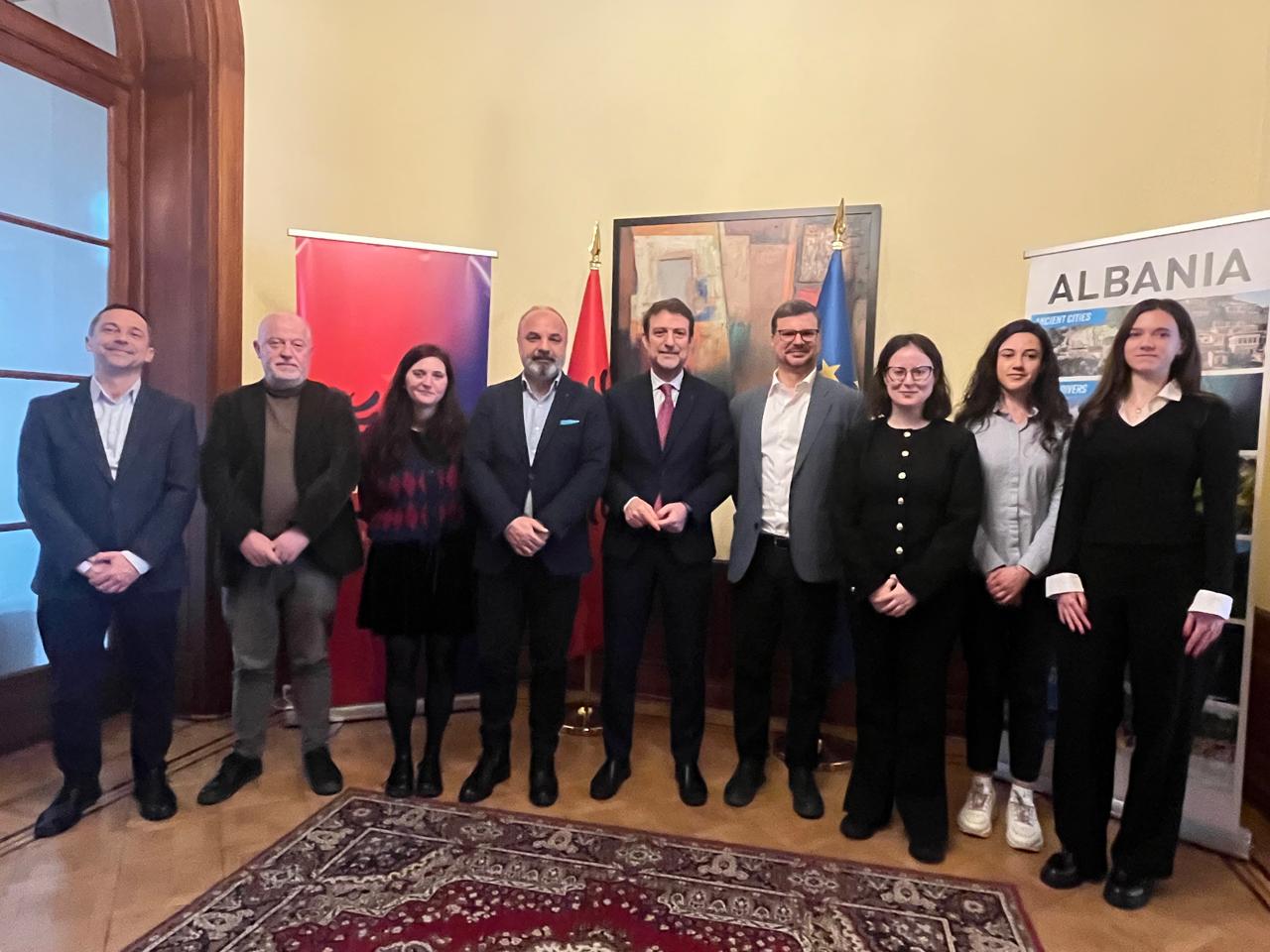 The last week of February 2026 (23–26 February) marked the second advocacy meeting between Albanian civil society organizations and European Union institutions in Brussels. The meetings proved fruitful and focused on sharing expectations, challenges, and priorities of the civil society sector within the framework of the European integration process and accession negotiations, especially at a time when the process has intensified and the pace of work has increased significantly.
During the meetings with EU institution representatives, it was clearly emphasized that Albania’s future lies within the European Union. On their part, civil society representatives highlighted the monitoring and contributory role they play in the process, through increased cooperation and dialogue with state institutions, informing interest groups, and providing expertise on technical aspects of the negotiations.
During the meeting with the Mission of Albania to the EU with Ambassador Ferit Hoxha, the discussion focused on the next steps of the integration process, the preparation and adoption of the IBAR, as well as the start of work to close the first chapters during 2026. The importance of continuing the dialogue between the institutions responsible for negotiations and non-state actors was emphasized, as well as the need for clearer, simpler, and more inclusive communication of the process for interest groups that are still not fully informed or involved. Furthermore, the necessity of creating a stronger communication bridge between civil society in Albania and that in the EU was highlighted, to increase synergies and the exchange of experiences. Albanian civil society organizations requested more direct dialogue with the European Commission, emphasized that transparency is necessary for preparation and understanding the effects of reforms, and discussed ways to make the contributions of CSOs more visible and audible.
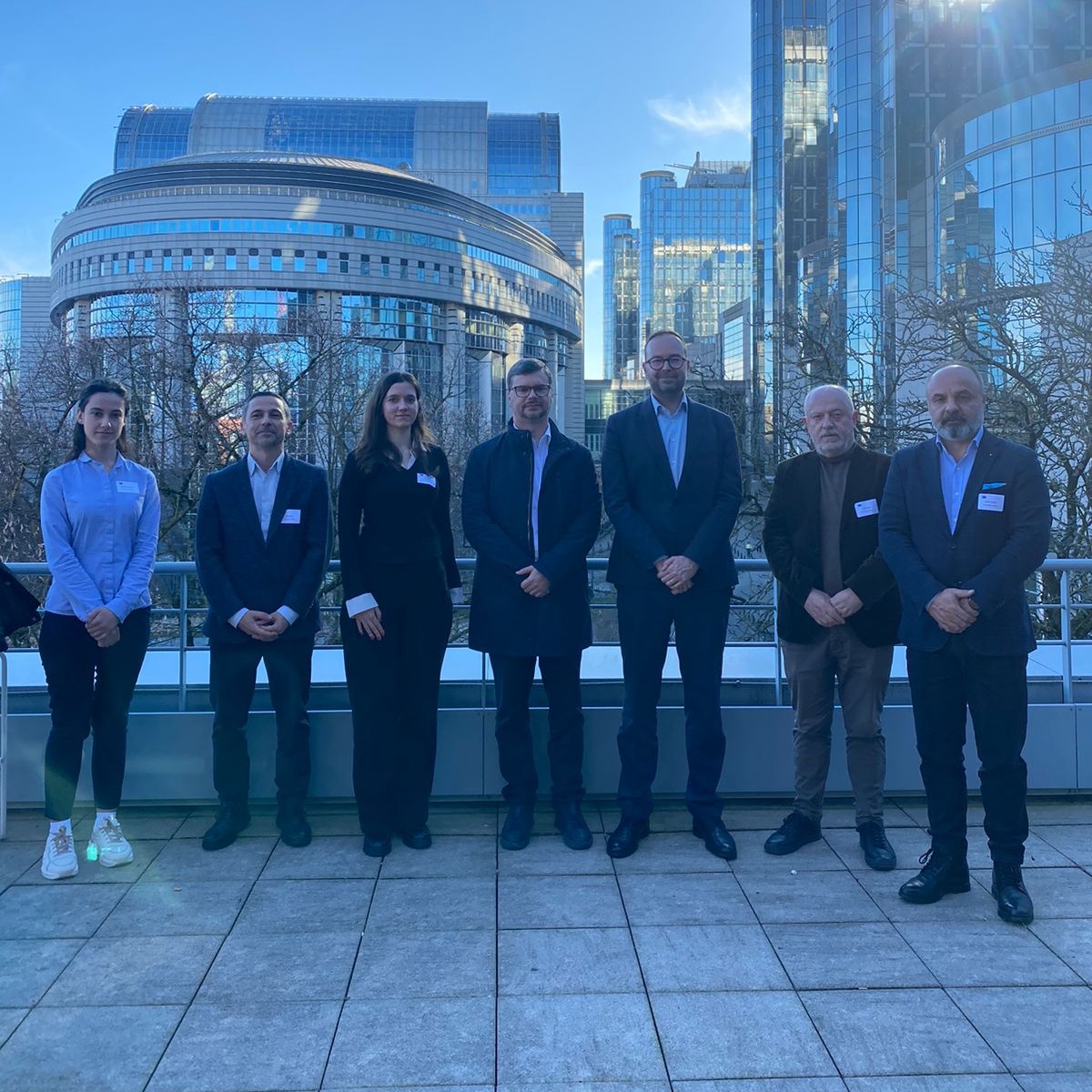 At the meeting with the European Economic and Social Committee (EESC) with David Hoic, Policy Officer for the Western Balkans, the discussion focused on the importance of including aspiring countries in the EU’s consultative structures, considering this as a significant added value for the development and empowerment of civil society in candidate countries. It was emphasized that the active participation of NGOs from these countries not only increases the legitimacy of the integration process but also allows civil society to influence decision-making and provide its technical and strategic expertise. Furthermore, the processes and outcomes of meetings within ECMS and JCC were positively assessed, highlighting that civil society contributions from the Western Balkans have been clear, concrete, and direct, helping advance dialogue, strengthen inter-institutional cooperation, and increase transparency in the European integration process.
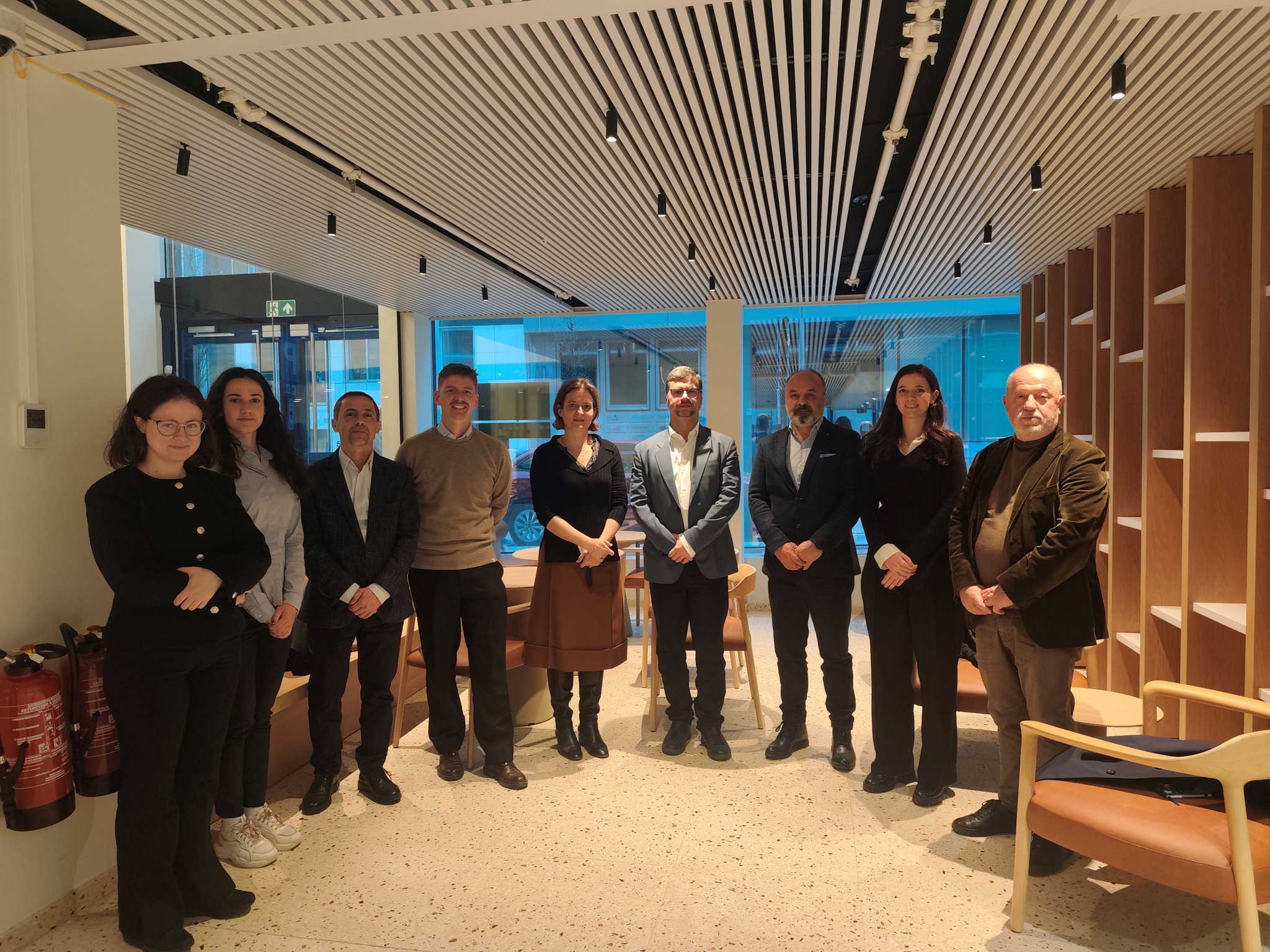 The meeting with representatives of the European Commission, DG ENEST and Isabella Torta, Head of the Unit for Albania, focused on the progress of reforms in the rule of law and the role of civil society in this process. The need for more transparency, structured dialogue, and opportunities for inclusion by the public institutions responsible for negotiations was discussed. Civil society representatives shared their assessments and concerns regarding specific challenges, such as the implementation of the new judicial map, the fight against corruption, the functioning of new justice institutions, as well as the need for broader inclusion and information of the business community, media, youth, and academia. It was also discussed how the integration process in Albania can be communicated more clearly, more simply, and in a way that includes all interest groups. The process is moving quickly, creating pressure for all sectors of society, not only for public administration but also for other actors who need to keep pace, stay informed, and know how to contribute, while being aware of the effects of reforms. The need for funding to enable expertise and research for CSOs, especially in key areas where experts are lacking, was also emphasized. The main focus remains on Chapters 23 and 24, but special attention should also be given to Chapter 32, which is considered a prerequisite for the full functioning of these two chapters, currently little discussed in Albania and lacking local expertise. Civil society representatives also suggested the possibility of creating direct communication and consultation bridges with the European Commission, online and through face-to-face meetings, to strengthen the legitimacy and inclusion of CSOs in the process. The need for clear and swift communication from public institutions was emphasized, which should not only be accessible but also easy to understand.
A special meeting was held with representatives of International IDEA with Sam van der Staak, Regional Director for Europe, and Blerta Hoxha, Program Manager for the Western Balkans, where the opportunities and challenges faced by civil society both in Albania and at the European level were discussed, as well as the need for more international cooperation and synergy. During the discussion, the importance of finding opportunities for collaboration, considering shared challenges, was highlighted. CSOs should also focus on EU developments and priorities to translate them into national priorities, such as Democracy Shield, developments in the rule of law, digitalization, media, and artificial intelligence.
-
 Working Group on Chapter 23 – Digital Services in Albania within the framework of the accession negotiations – DSA Governance, Fundamental Rights, and Institutional Coordination, 30 June 2026
Gledis Gjipali, Executive Director of the European Movement in Albania (EMA), emphasised the importance
Working Group on Chapter 23 – Digital Services in Albania within the framework of the accession negotiations – DSA Governance, Fundamental Rights, and Institutional Coordination, 30 June 2026
Gledis Gjipali, Executive Director of the European Movement in Albania (EMA), emphasised the importance -
 Info Session – Access to Justice, Judicial Digitalisation, and Security Policies within Chapters 23 and 24, June 29, 2026
The European Movement in Albania (EMA) organised an info session as part of its
Info Session – Access to Justice, Judicial Digitalisation, and Security Policies within Chapters 23 and 24, June 29, 2026
The European Movement in Albania (EMA) organised an info session as part of its